
Types of Solar Combiner Boxes for Different Solar PV Systems

Solar combiner boxes fall into six main categories: standard, fused, non-fused, dual fused, pre-wired, and circuit-breaker-based units. Installers also draw two further distinctions. String combiners serve one inverter input, while array combiners gather multiple strings. DC combiner boxes handle panel-level current; AC combiner boxes sit on the inverter output side. Each type of combiner box differs in protection method, assembly, and application fit. A fused combiner box carries replaceable fuses;
Read More »
Solar Combiner Box Maintenance: A PV Inspection Checklist

Solar Combiner Box Maintenance: A PV Inspection Checklist

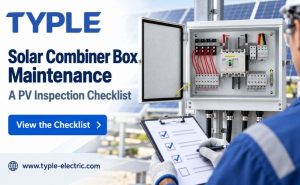
A PV combiner box inspection should check the enclosure, mounting, labels, cable entries, wiring condition, protective devices and signs of abnormal heating, moisture or corrosion. It should also compare string performance with expected values and record any corrective actions. Because PV conductors can remain energized in daylight, opening the enclosure, testing circuits, replacing fuses or tightening connections should be done only by qualified personnel using the site’s approved isolation and

Read More »
Solar Combiner Boxes for Off-Grid Systems: Complete Guide

Solar Combiner Boxes for Off-Grid Systems: Complete Guide

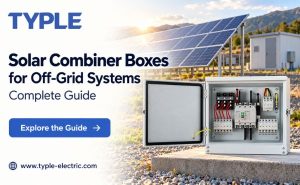
A solar combiner box for an off-grid system brings multiple photovoltaic (PV) strings together before they feed a charge controller or an inverter with an integrated solar charge controller. It can also provide string-level overcurrent protection, surge protection and a means of isolating the PV array, depending on its design. To select one, match its voltage, string count and current ratings to the array and the downstream controller or inverter.

Read More »
How to Choose the Right Solar Combiner Box

How to Choose the Right Solar Combiner Box

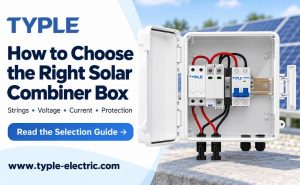
Choosing a solar combiner box begins with the PV array design—not with the dimensions or price of the enclosure. The box must accommodate the required number of strings while remaining compatible with the system voltage, string current, output current, protective devices and installation environment. A suitable enclosure with the wrong electrical ratings can still create a serious system risk. Before comparing products, prepare the module data, string design, inverter specifications

Read More »
Do You Need a Combiner Box for Solar Panels?

Do You Need a Combiner Box for Solar Panels?

You need a solar combiner box when multiple photovoltaic strings must be brought together into a smaller number of output circuits before reaching an inverter, charge controller or downstream distribution equipment. It provides an organized connection point and may also contain string overcurrent protection, surge protection, isolation and monitoring devices. However, not every solar installation needs a separate combiner box. A small array with one string—or a few strings connected

Read More »
How Many Strings Should a Solar Combiner Box Have?

How Many Strings Should a Solar Combiner Box Have?

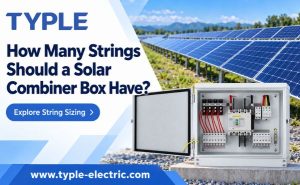
A solar combiner box should have enough input circuits for the number of PV strings assigned to that box. For example, six strings combined into one output normally require a six-input combiner. However, selecting the right string count involves more than matching six cables to six terminals. The strings must be electrically compatible, and their combined voltage and current must remain within the limits of the combiner, output conductors and

Read More »
AC vs DC Combiner Box: What Is the Difference?

AC vs DC Combiner Box: What Is the Difference?

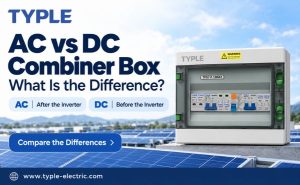
The main difference between AC and DC combiner boxes is where they are installed and what type of electrical circuits they combine. A DC combiner box combines photovoltaic strings before electricity reaches the inverter. An AC combiner box combines alternating-current outputs after conversion by multiple inverters or microinverters. Both products may provide circuit combining, overcurrent protection, surge protection and isolation, but their internal devices cannot be selected in the same

Read More »
What Protection Devices Are Used in a Solar Combiner Box?

What Protection Devices Are Used in a Solar Combiner Box?

Solar combiner boxes may use string fuses, DC circuit breakers, surge protective devices, disconnect switches and grounding components to protect and isolate photovoltaic circuits. Some designs also include monitoring, arc-fault detection or rapid-shutdown interfaces. These devices do not all protect against the same hazard. Fuses and breakers respond to overcurrent, SPDs limit transient overvoltage, disconnects provide isolation, and grounding components create a controlled fault-current path. A reliable combiner box therefore

Read More »
Scroll to Top

Get Your Quote Within 24 Hours

Contact Form
Our engineering team will reply with a tailored quotation and confirmed lead time within 24 hours.
Get A Free Quote

Get Your Quote Within 24 Hours

Contact Form (#6)
Our engineering team will reply with a tailored quotation and confirmed lead time within 24 hours.
Get A Free Quote